
SAP SuccessFactors gives organizations access to rich workforce data across the employee lifecycle. HR teams can use this data to understand workforce trends, monitor key metrics, and support better decisions. However, turning large volumes of HR data into timely workforce insights requires an analytics layer that connects data with business questions.
Modern SAP SuccessFactors workforce analytics can help HR leaders move beyond static reporting and explore trends, patterns, and opportunities. With an AI-first approach, organizations can use their existing SuccessFactors data to generate meaningful insights without adding a separate data warehouse.
SAP SuccessFactors Holds Valuable Workforce Data
Organizations collect significant amounts of workforce data through SAP SuccessFactors. This data can span employee information, recruitment, performance, learning, attendance, engagement, compensation, skills, and workforce movements.
The opportunity extends beyond simply storing this information. HR leaders can use HR data analytics to answer strategic questions such as:
- Where does workforce growth happen across the organization?
- Which teams show changing retention patterns?
- How does employee performance vary across functions or locations?
- What trends influence workforce productivity?
- Where should HR focus its talent investments?
- What workforce trends should leaders prepare for?
These questions require more than access to data. They require a practical way to turn data into workforce insights.
Why HR Teams Need an Analytics Layer
Data Availability Does Not Automatically Create Insights
Having comprehensive HR data creates a strong foundation for analytics, but HR teams still need tools that help them interpret that data.
A traditional reporting approach often starts with predefined metrics, dashboards, and reports. These tools remain valuable for monitoring specific KPIs. However, strategic workforce planning often requires HR leaders to explore different dimensions, compare trends, identify relationships, and ask new questions.
An analytics layer can connect these activities and help HR teams move from HR data analytics to actionable workforce intelligence.
HR Leaders Need Context Alongside Metrics
A number on an HR analytics dashboard tells only part of the story.
For example, an attrition percentage becomes more meaningful when HR leaders can explore how it changes by department, location, job level, tenure, or other workforce dimensions.
This context helps leaders understand what is changing, why it matters, and where they should focus next.
Move from SAP SuccessFactors Analytics to Strategic Workforce Insights
Combine Workforce Data with AI-Powered Analysis
AI can help organizations analyze workforce data at scale and identify meaningful patterns across multiple HR dimensions.
Instead of relying only on predefined reports, AI-powered SAP SuccessFactors analytics can help HR leaders explore data, identify trends, and generate recommendations based on the information available in the system.
This approach makes workforce analytics more accessible to HR professionals who want answers without depending on complex data analysis processes.
Turn Business Questions into Data Insights
HR leaders often think in business questions rather than analytics terminology.
They may ask:
- “Which employee groups show the highest retention risk?”
- “How has workforce growth changed across our regions?”
- “Which functions have experienced the strongest performance trends?”
A conversational analytics experience can help users explore these questions using natural language. The system can interpret the question, analyze relevant workforce data, and present the result through charts, dashboards, or narrative insights.
Use SAP SuccessFactors Data Without a Separate Data Warehouse
Create a More Direct Path from Data to Decisions
Organizations can build analytics environments around HR data, but these approaches can involve additional data infrastructure, integration, and maintenance.
An AI-first analytics layer offers another approach.
ReeCap connects with SAP SuccessFactors and analyzes workforce data without requiring a separate data warehouse. This allows organizations to build on their existing SAP SuccessFactors investment while adding an intelligent analytics experience.
ReeCap uses LLM-powered analytics, AI-driven recommendations, predictive capabilities, and automated visualizations to help HR teams turn workforce data into strategic insights.
Reduce the Distance Between HR Data and Business Decisions
With an analytics layer in place, HR teams can move through a more connected process:
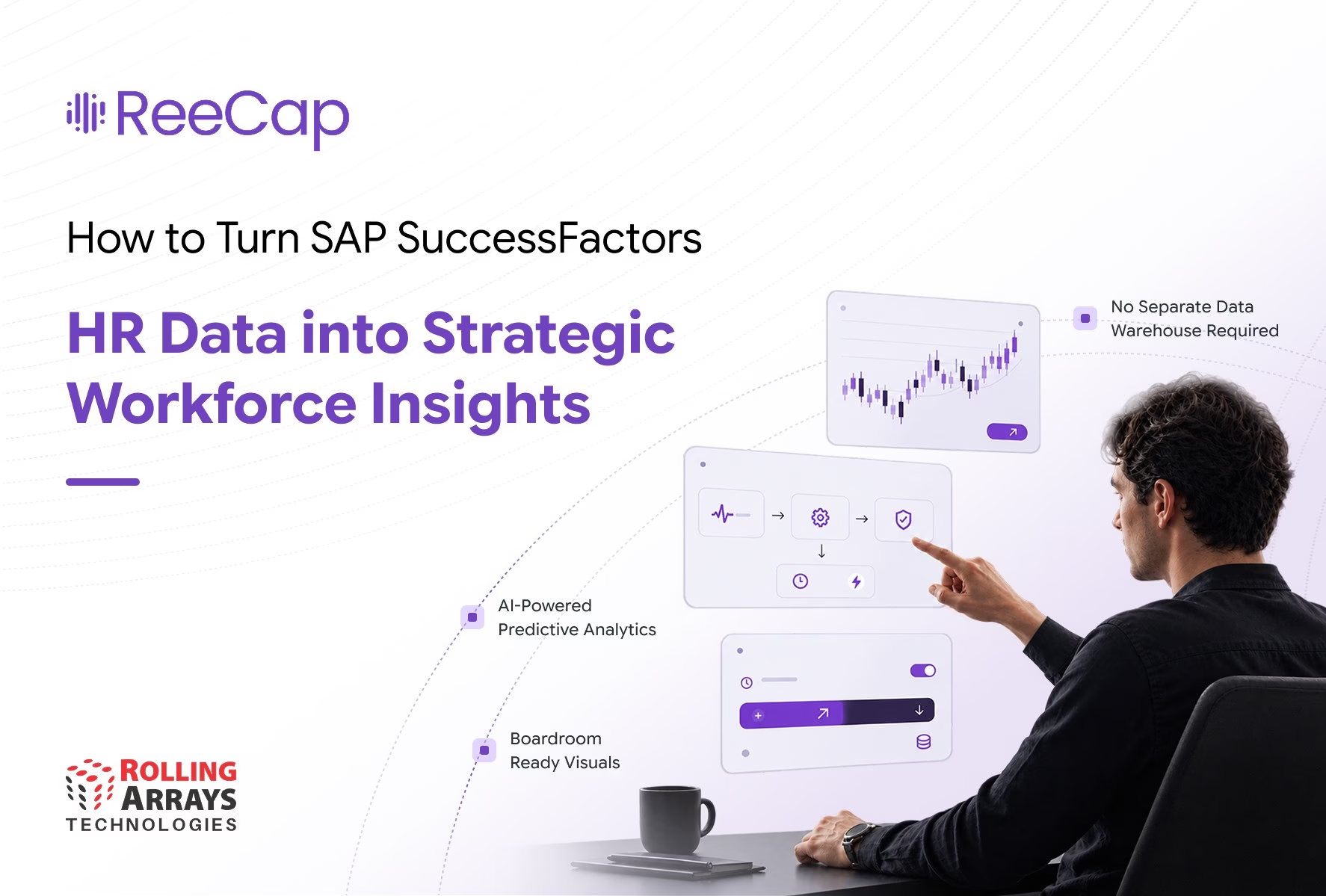
SAP SuccessFactors data → AI-powered analysis → Workforce insights → Strategic decisions
This approach helps HR leaders spend less time navigating data and more time understanding what the data means for their workforce strategy.
How ReeCap Turns SAP SuccessFactors Data into Workforce Insights
Explore Workforce Trends
ReeCap brings together workforce analytics across areas such as workforce structure, talent acquisition, attendance, learning, engagement, performance, rewards, skills, and exit data.
HR leaders can explore these areas through dashboards, filters, visualizations, and AI-generated insights.
Identify Patterns and Predict Future Trends
ReeCap combines historical and current workforce data with AI and predictive analytics to help organizations understand emerging workforce patterns.
This can support areas such as retention, workforce attrition, productivity, and workforce planning.
Instead of looking only at what happened, HR leaders can use predictive insights to consider what could happen next and plan accordingly.
Create Boardroom-Ready Workforce Stories
Strategic workforce planning requires HR leaders to communicate insights clearly to business stakeholders.
ReeCap transforms workforce data into visual analytics, storyboards, and executive-ready insights. This helps HR leaders explain workforce trends and connect HR metrics with broader business priorities.
Build a Stronger Foundation for Strategic Workforce Planning
Strategic workforce planning depends on timely, relevant, and understandable workforce information.
SAP SuccessFactors provides organizations with a strong source of workforce data. An AI-first analytics layer can help HR teams unlock more value from that data by connecting information, analysis, and decision-making.
ReeCap extends the value of SAP SuccessFactors by providing an intelligent analytics experience designed specifically for workforce decision-making. With no separate data warehouse required, HR teams can move from data exploration to actionable workforce insights more efficiently.
Key Takeaways
- SAP SuccessFactors workforce analytics can help HR leaders extract greater value from their existing workforce data.
- HR teams need more than data access; they need an analytics layer that connects data with business questions.
- AI can make SAP SuccessFactors analytics more accessible through conversational analysis, predictive insights, and automated visualizations.
- ReeCap analyzes SAP SuccessFactors data without requiring a separate data warehouse.
- Workforce insights can help HR leaders identify trends, understand patterns, and support strategic workforce planning.
- Boardroom-ready dashboards and storyboards can help HR leaders communicate workforce intelligence with greater clarity.
Frequently Asked Questions
What is SAP SuccessFactors workforce analytics?
SAP SuccessFactors workforce analytics involves analyzing workforce data from SAP SuccessFactors to understand employee trends, workforce patterns, and key HR metrics. Organizations can use these insights to support workforce decisions and strategic planning.
How can organizations get more value from SAP SuccessFactors data?
Organizations can add an analytics layer that helps HR teams analyze workforce data, identify trends, explore relationships, and generate actionable insights. ReeCap provides an AI-first analytics experience built for SAP SuccessFactors.
Does ReeCap require a data warehouse?
No. ReeCap connects with SAP SuccessFactors and provides AI-powered workforce analytics without requiring a separate data warehouse.
What can an HR analytics dashboard show?
An HR analytics dashboard can display workforce metrics and trends across areas such as headcount, recruitment, attendance, performance, learning, engagement, compensation, skills, and attrition.
How does AI improve workforce analytics?
AI can help HR teams explore workforce data using natural language, identify patterns, generate visualizations, provide predictive insights, and recommend actions based on workforce trends.
How does workforce analytics support strategic workforce planning?
Workforce analytics helps HR leaders understand current workforce conditions, identify emerging trends, evaluate workforce risks, and use data to support future talent and workforce decisions.


